Aug 18, 2026Product Knowledge
How Should Importers Choose a Thermal Cup Pad Supplier? A B2B Buying Checklist
Importers should choose a thermal cup pad supplier by checking heating stability, safety design, plug options, packaging quality, OEM support, sample testing, and export documentation.
How Should Importers Choose a Thermal Cup Pad Supplier? A B2B Buying Checklist
Importers should choose a thermal cup pad supplier by checking heating stability, safety design, plug options, packaging quality, OEM / ODM support, sample testing, and export documentation before confirming a bulk order. A low unit price is useful only when the product can pass market requirements, match the target sales channel, and be produced consistently.
This article answers the main questions B2B buyers usually ask when sourcing thermal cup pads for Europe, North America, and other export markets.
What is a thermal cup pad used for in B2B sales?
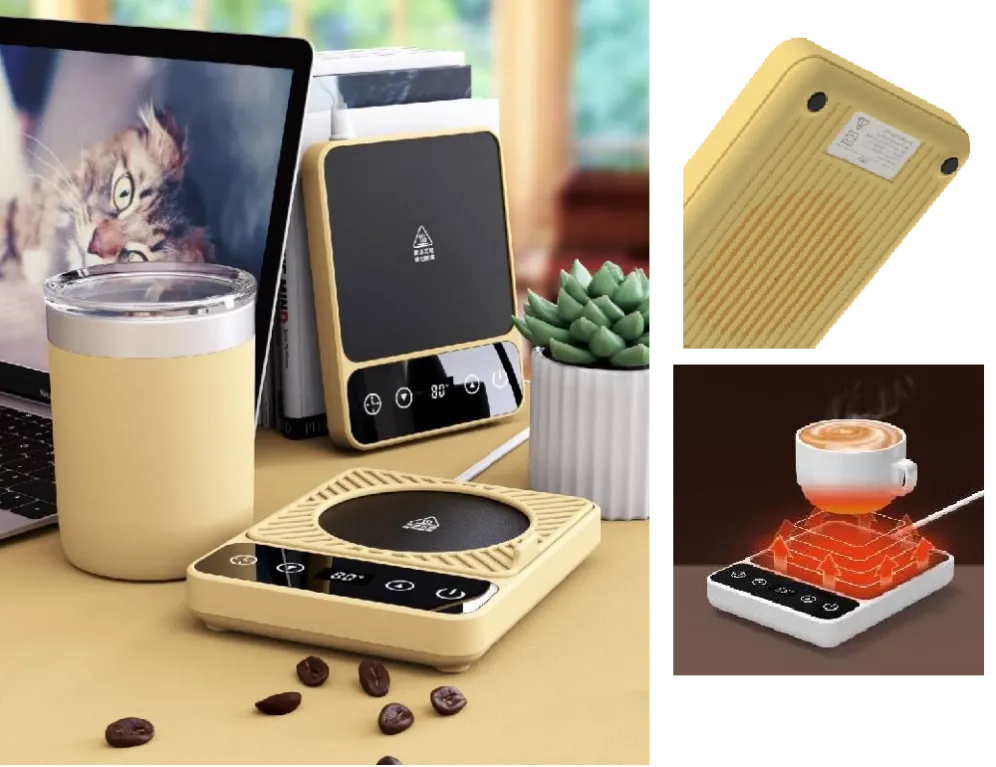
A thermal cup pad, also called a heated cup warmer or electric cup warmer, is used to keep coffee, tea, milk, or other drinks warm on a desk, bedside table, reception counter, or home kitchen surface.
For B2B buyers, the product is suitable for several sales channels:
- Office desk accessories
- Smart home appliance collections
- Corporate gift programs
- Seasonal winter promotions
- Private-label lifestyle products
- E-commerce home and kitchen stores
The best specification depends on the buyer's channel. A gift program may need premium packaging and logo customization. A distributor may care more about certifications, stable repeat supply, and clear carton information. Buyers comparing small appliances can also review the current product range on the Products page.
Which heating performance points should buyers check first?
Buyers should first check target temperature, warm-up time, heating consistency, and automatic control logic. These points determine whether the thermal cup pad performs reliably in daily use.
Key sample test points
- How long does the surface take to reach the target temperature?
- Is the heating area consistent across the full pad?
- Does it work well with ceramic, glass, and stainless steel cups?
- Does the surface remain stable after 30 to 60 minutes of use?
- Is there automatic shutoff or standby protection?
- Does the control panel respond consistently after repeated use?
In our sourcing work, buyers often focus on appearance first, but heating consistency is more important for repeat orders. If the product looks good but warms slowly or unevenly, customer reviews and return rates can become a problem.
What safety details matter for thermal cup pad importers?
Importers should confirm power rating, voltage, plug type, cable quality, anti-slip base design, insulation, and over-temperature protection. A thermal cup pad is a compact product, but it is still an electric heating appliance.
Safety questions to ask the supplier
- Which plug types are available for EU, UK, and North American markets?
- Is the voltage suitable for the target country?
- Does the product include automatic shutoff or temperature protection?
- Can the supplier provide CE, RoHS, FCC, or other relevant documents when needed?
- Are user instructions and warning labels available in English?
For export orders, safety information should be confirmed before mass production, not after packaging has been printed.
How should buyers evaluate materials and appearance?
Buyers should evaluate the surface material, scratch resistance, cleaning method, color options, and overall product positioning. A thermal cup pad may use a glass, coated, ceramic-style, or metal surface, and each option affects cost, appearance, durability, and heat transfer.
The right choice depends on the market. A corporate gift buyer may prefer a cleaner premium surface and branded packaging. A wholesale buyer may prefer stable quality, a neutral color, and a competitive price. A private-label buyer may need custom logo placement and matching box design.
What OEM / ODM options should be confirmed early?
OEM / ODM requirements should be discussed before sample approval. Common customization options include logo printing, color changes, private-label packaging, barcode labels, plug options, voltage, instruction manuals, and gift set combinations.
Practical customization checklist
- Logo position and printing method
- Product color or surface pattern
- Inner box artwork and carton marks
- English manual and warning label content
- Plug and voltage requirements
- MOQ for private-label packaging
- Sample lead time and bulk order lead time
If customization is part of your project, review the OEM / ODM service page before preparing artwork and sample requests.
What should be checked before placing a bulk order?
Before a bulk order, buyers should test samples, approve packaging, confirm carton details, and align the final specification sheet with the supplier.
Bulk order approval checklist
- Product function and heating test result
- Surface finish and logo position
- Plug type and cable length
- English manual and safety warnings
- Inner box and master carton dimensions
- Carton weight and packing quantity
- Final sample approval record
- Delivery schedule and inspection plan
This process reduces misunderstanding and gives both buyer and supplier a clear production standard.
Why work with Tiny Smart Home Supply?
Tiny Smart Home Supply works with B2B buyers sourcing smart small home appliances, including thermal cup pads and small kitchen warming boards. We focus on practical export needs: product selection, OEM / ODM communication, sample coordination, packaging discussion, and clear quotation support.
If you are planning a thermal cup pad project, send your target market, expected quantity, plug type, packaging needs, and logo requirements through the Contact Us page. We can help review suitable options and prepare a sourcing plan for your business.